LUCID
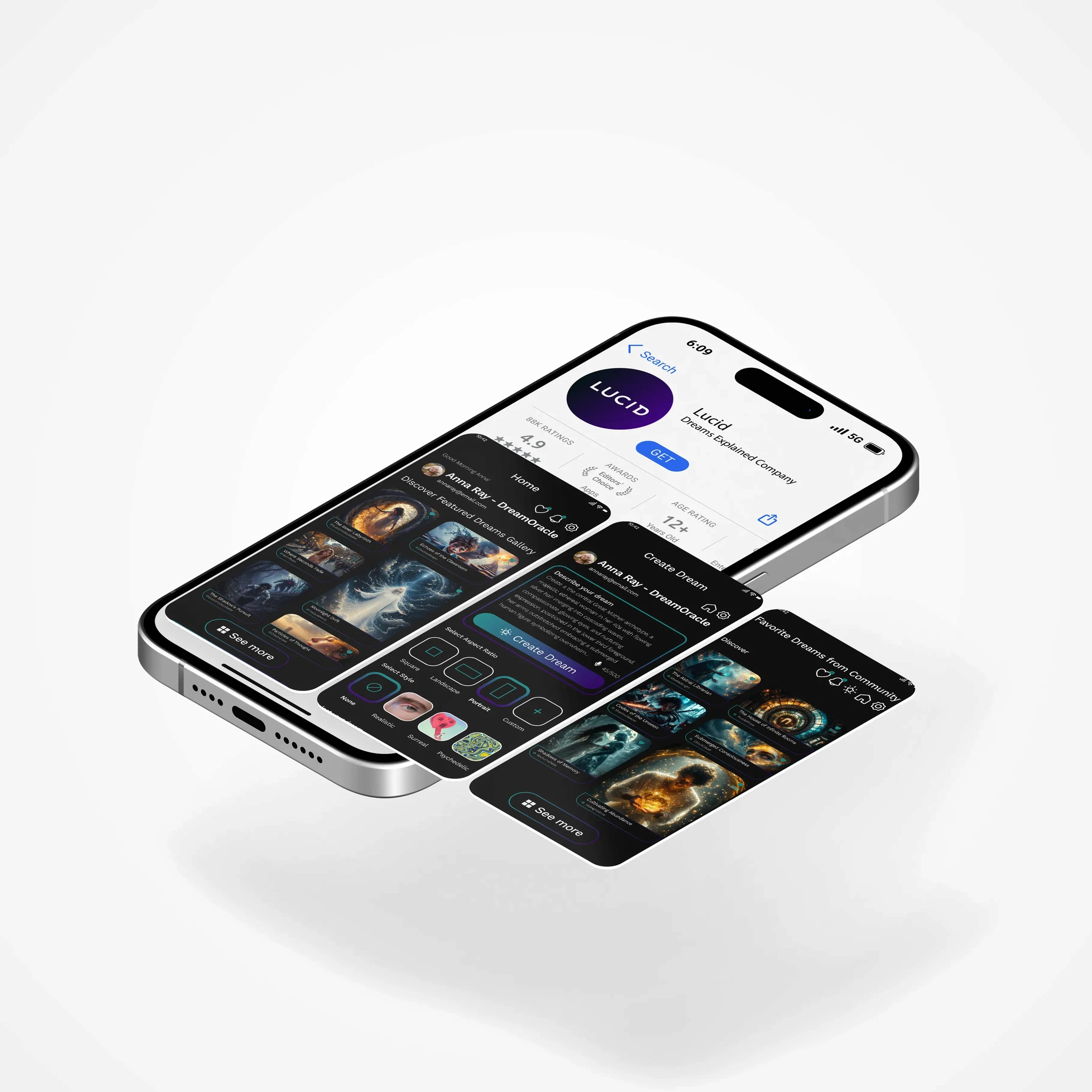
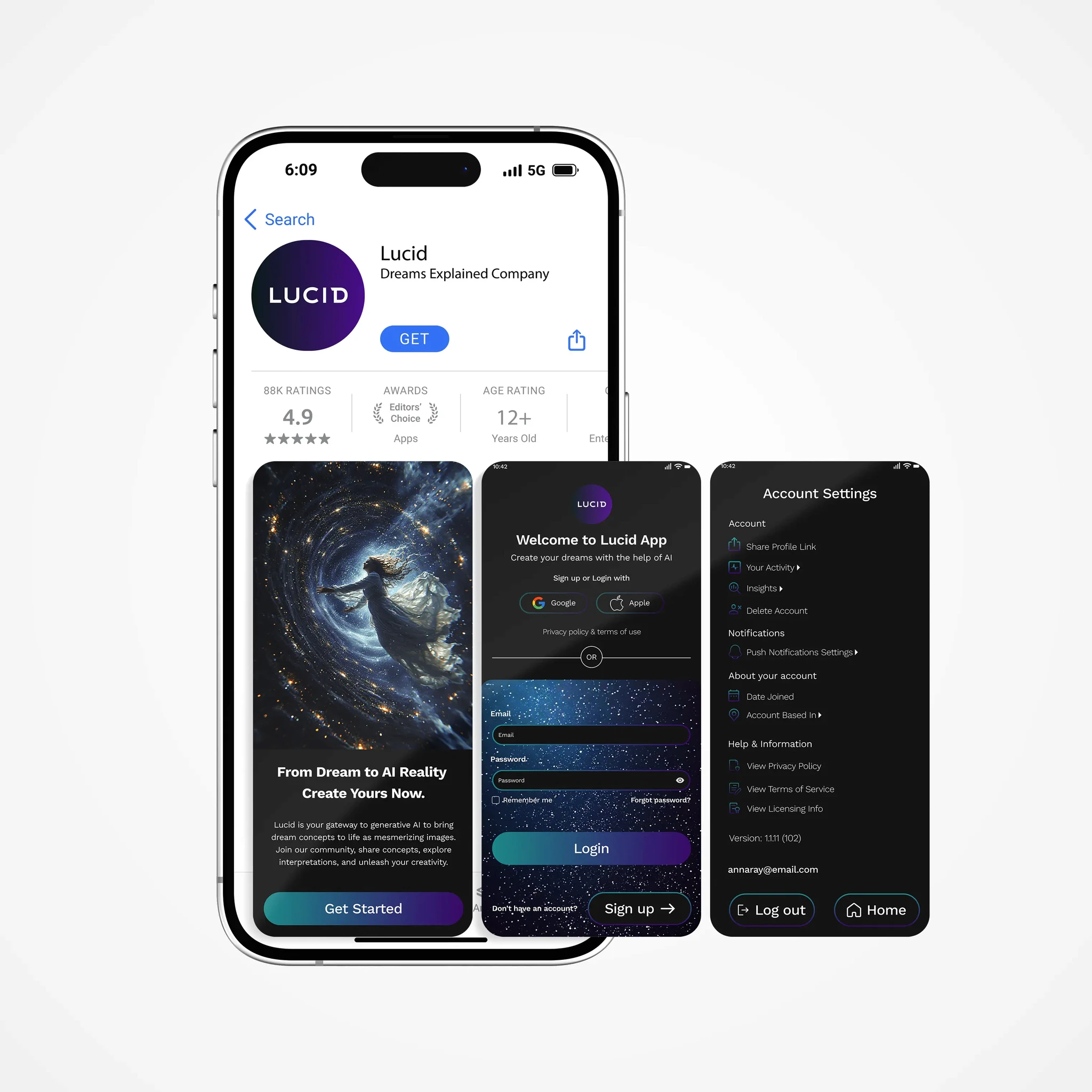
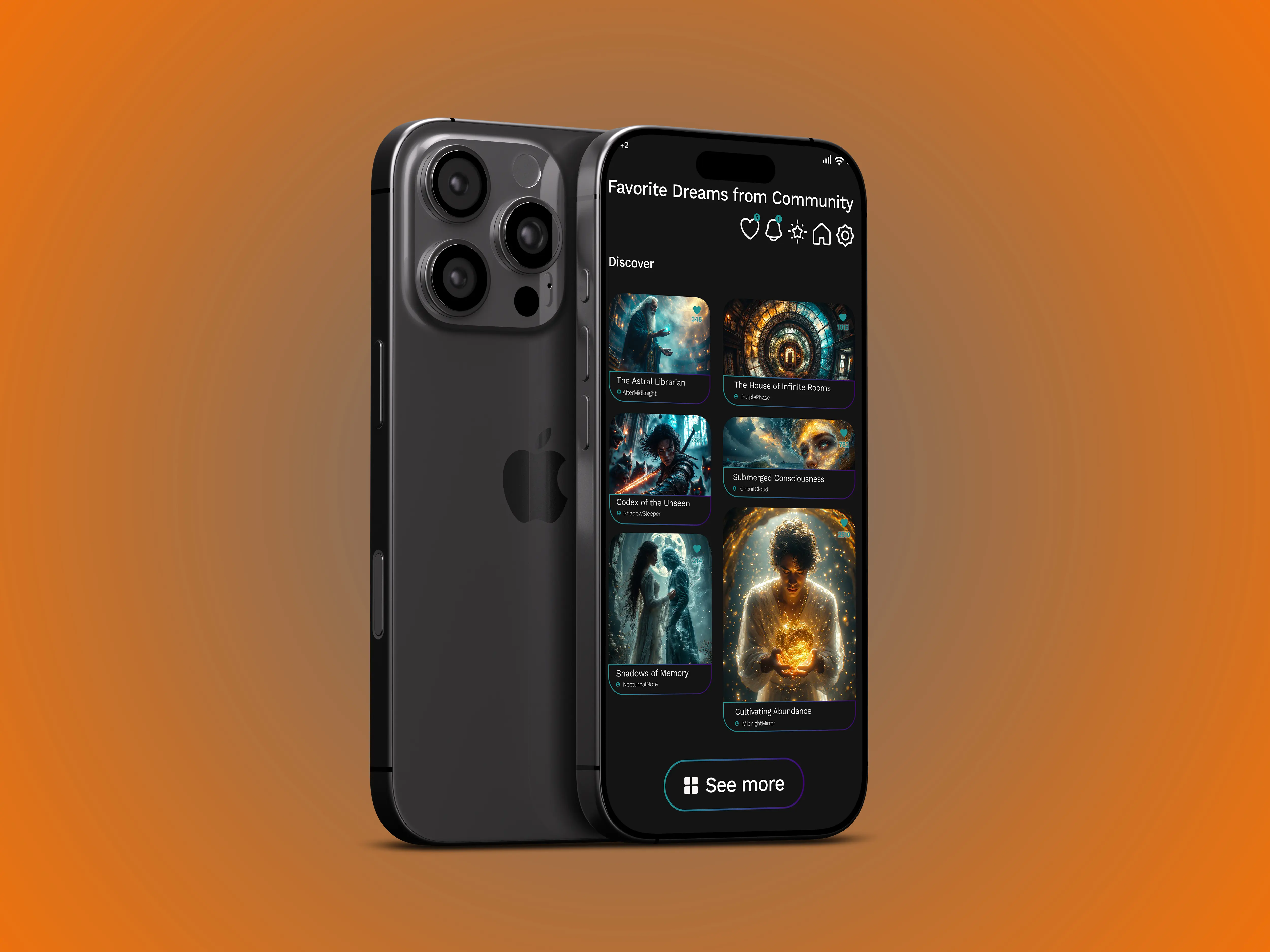
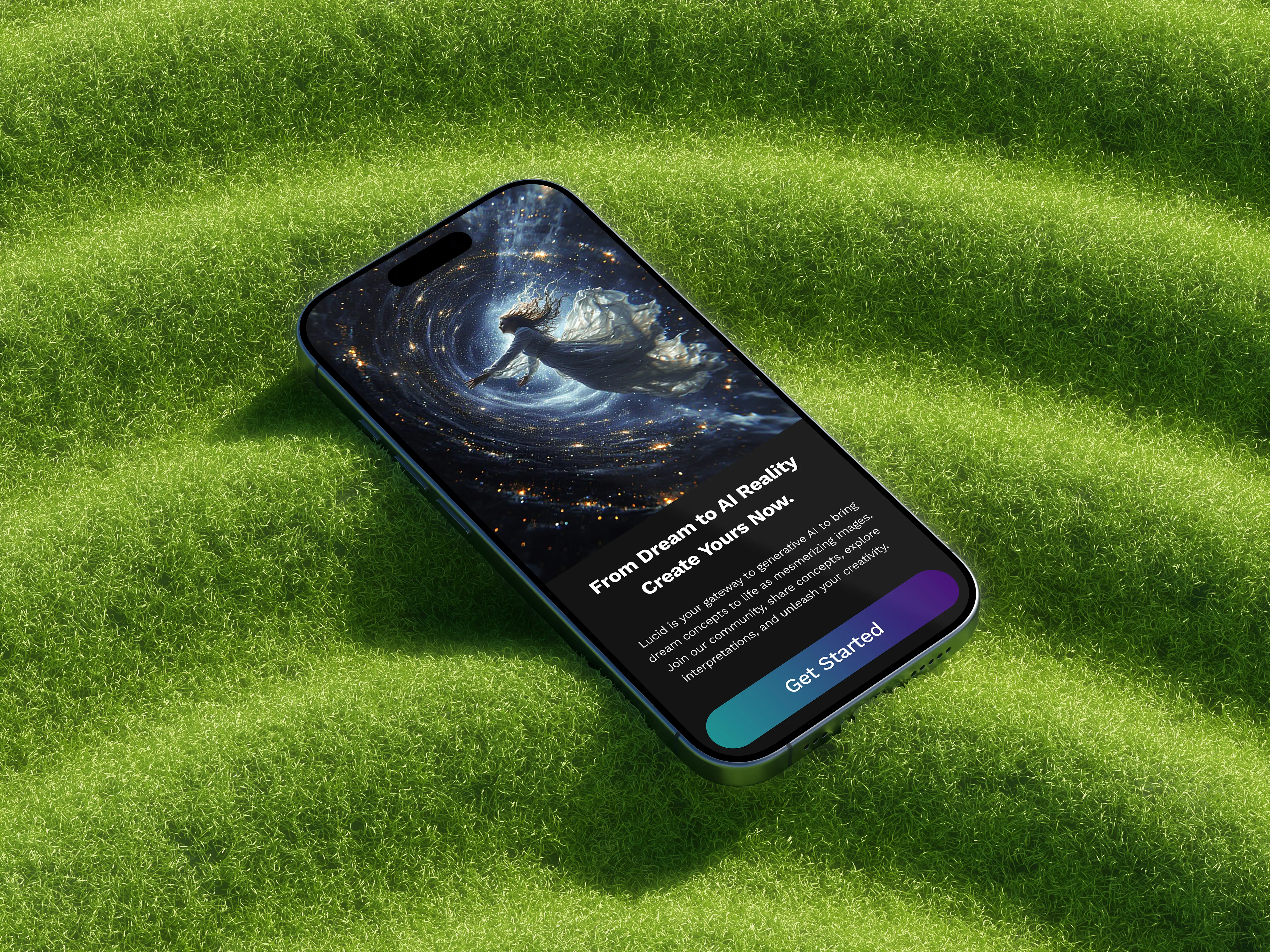
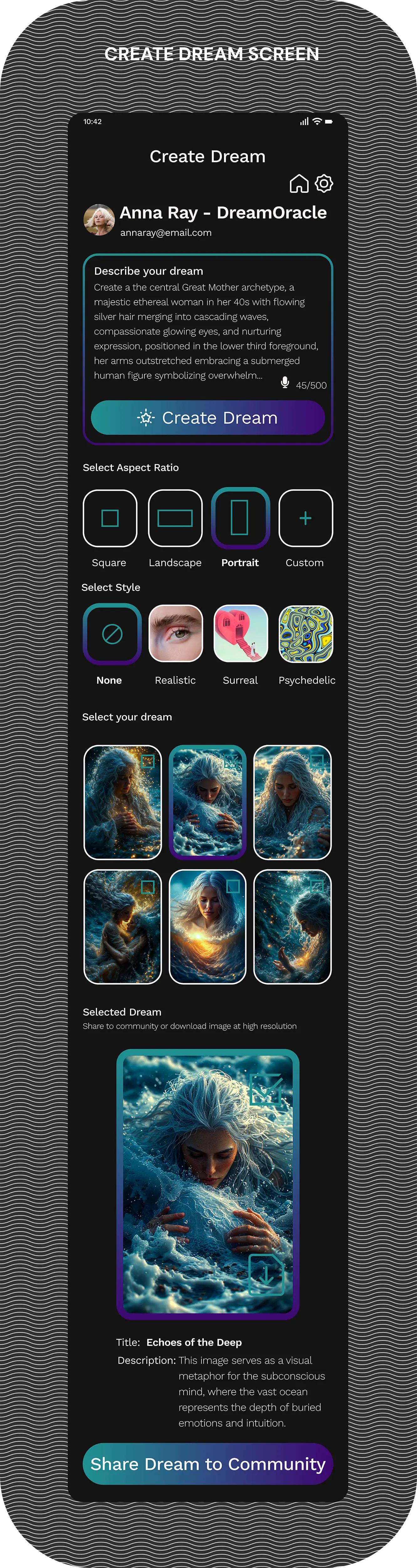
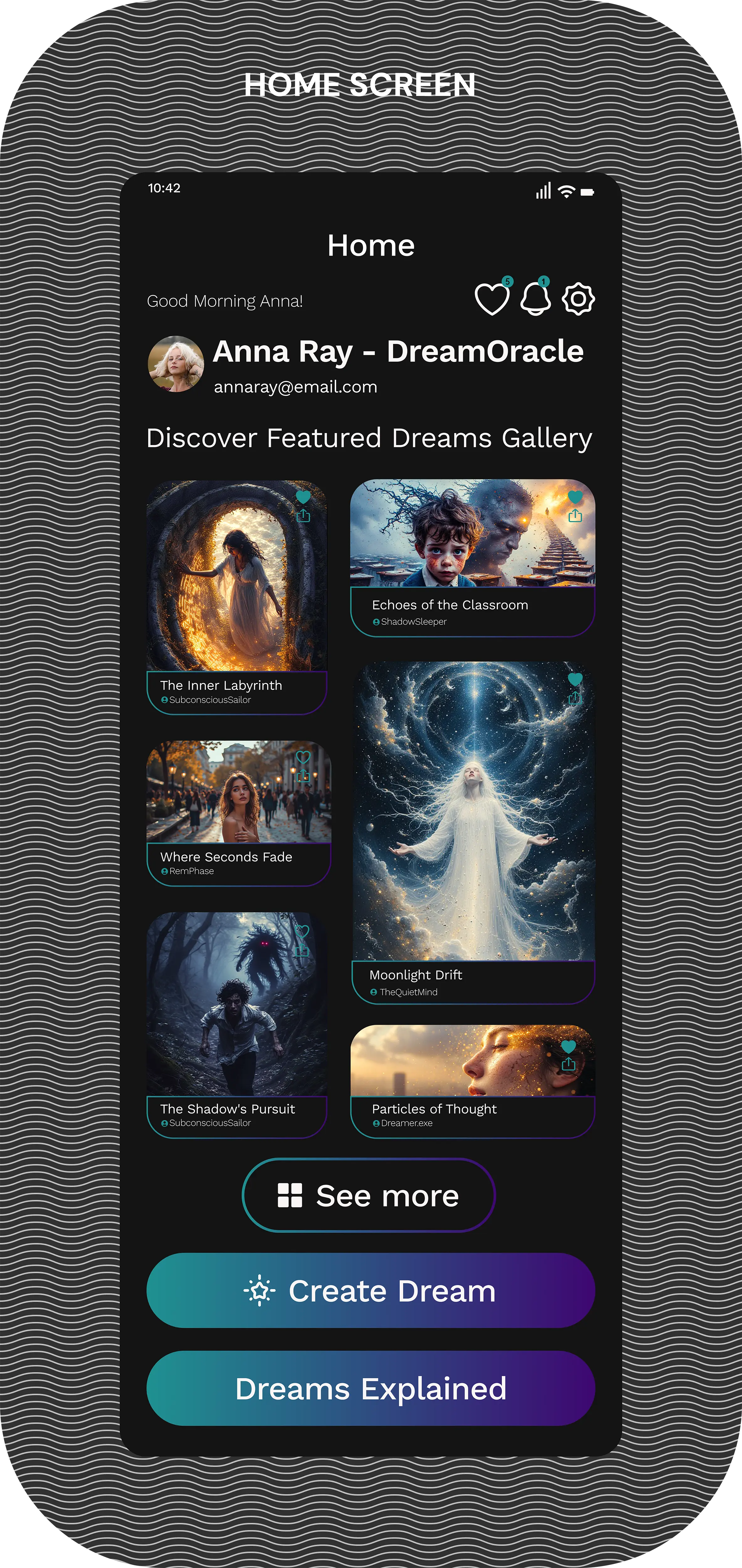
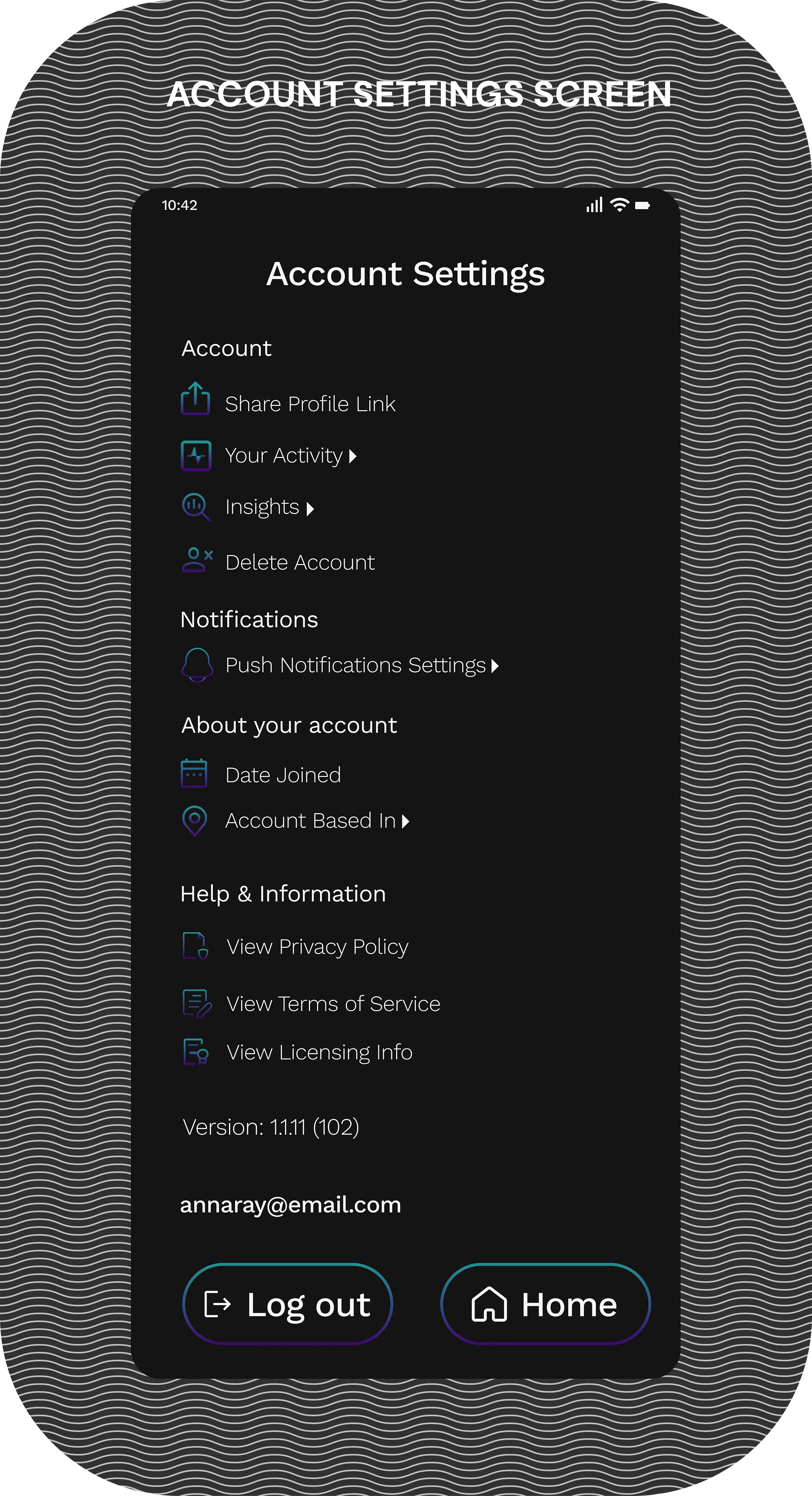

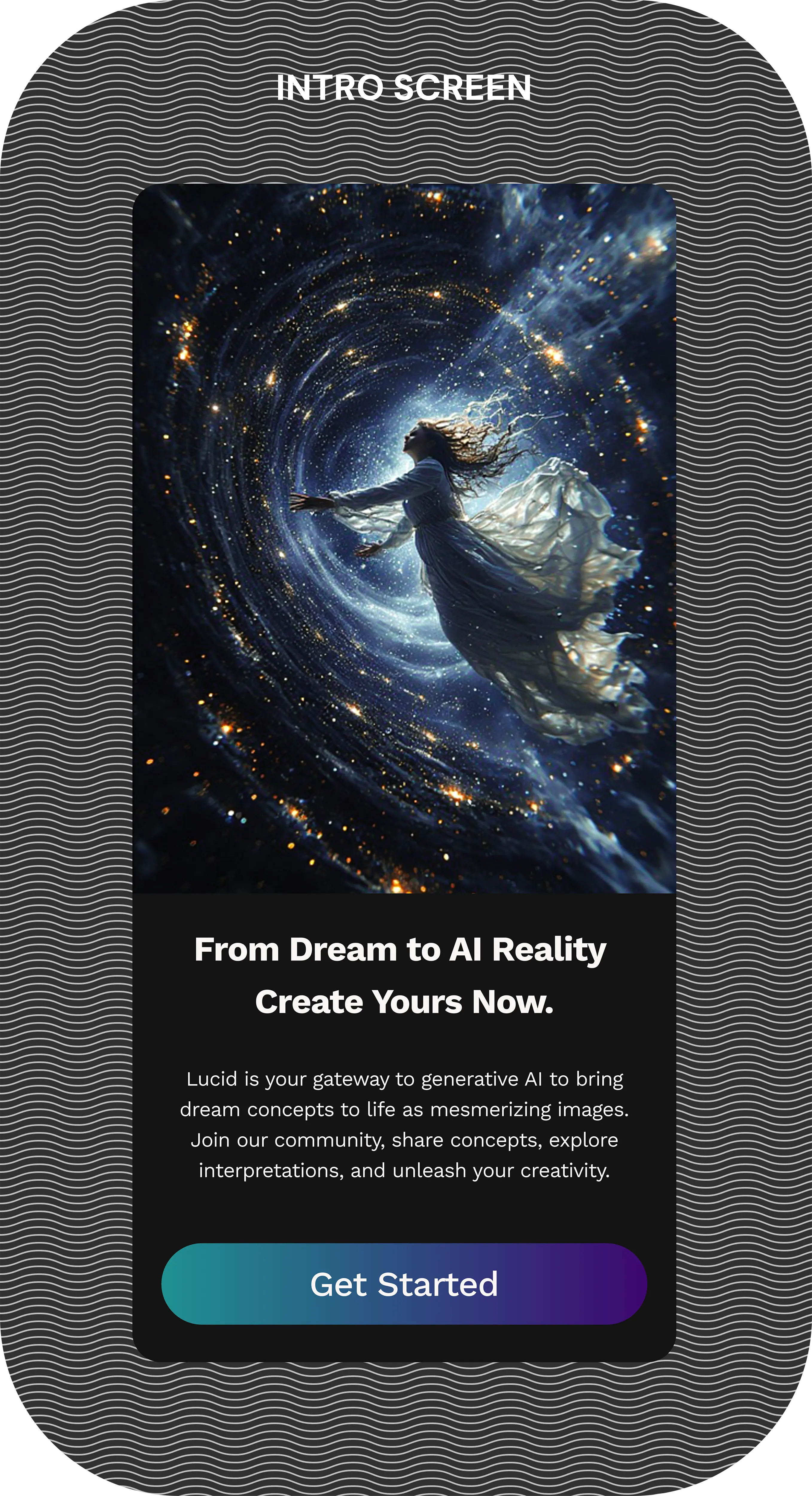
These high-fidelity prototypes feature pixel-perfect UI elements: crisp buttons with linear gradient, smooth and responsive layouts adapting to portrait/landscape modes.
Color palettes draw from calming gradients, vibrant accents for art generation previews, optimized for OLED displays to reduce eye strain during extended sessions.
These high-fidelity prototypes feature pixel-perfect UI elements: crisp buttons with linear gradient, smooth and responsive layouts adapting to portrait/landscape modes.
Color palettes draw from calming gradients, vibrant accents for art generation previews, optimized for OLED displays to reduce eye strain during extended sessions.
The implementation of mid-fidelity wireframes on mobile interfaces represents a strategic leap forward, introducing
essential structure while remaining easy to adapt, thereby fostering rapid iteration and creative problem-solving;
this clarity effectively directs core elements like structure and functionality, streamlining the process, and critically,
enabling early-stage usability testing to validate a logical and user-centric design approach well in advance of resource intensive, high-fidelity refinement.
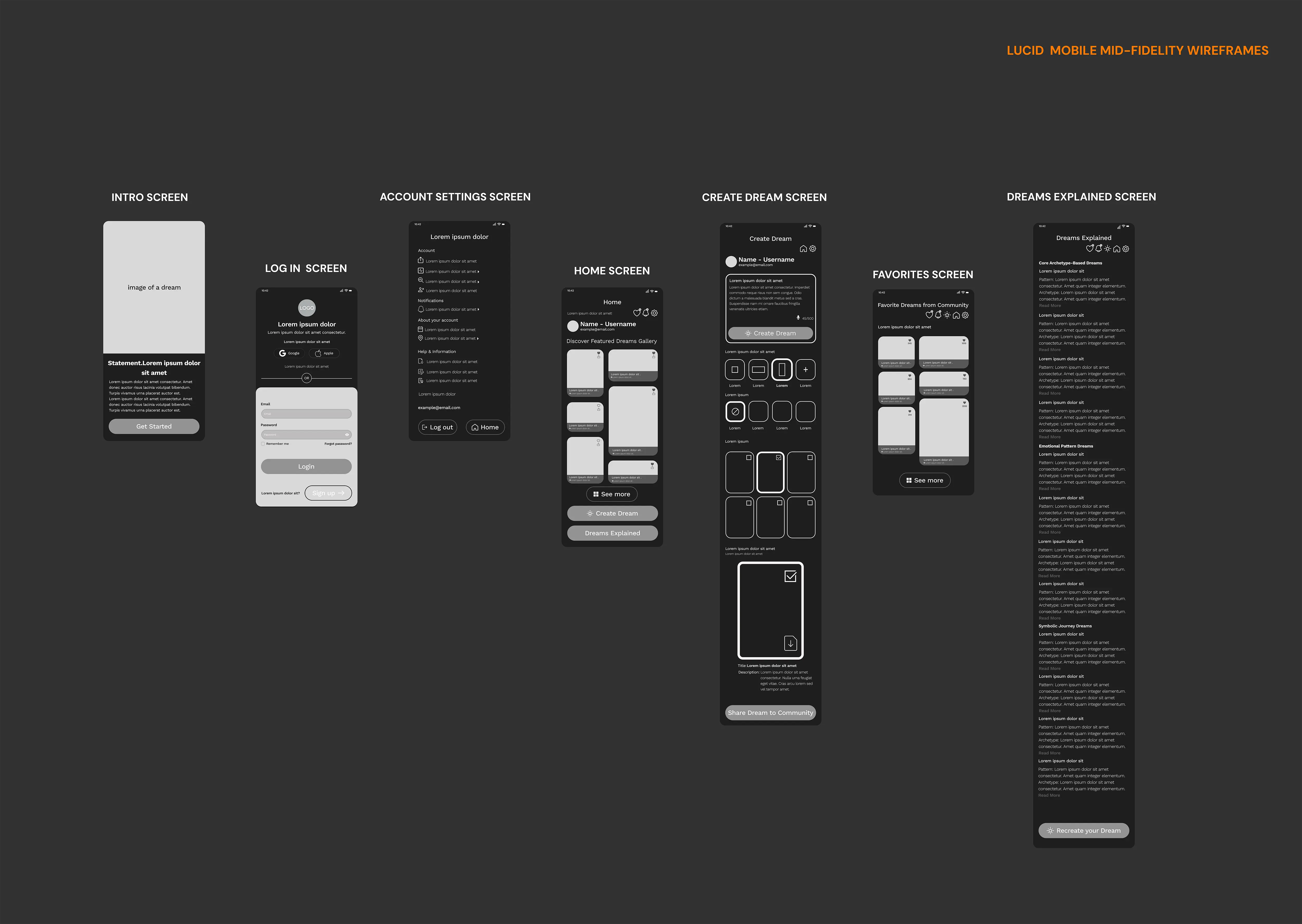
The implementation of mid-fidelity wireframes on mobile interfaces represents a strategic leap forward, introducing essential structure while remaining easy to adapt, thereby fostering rapid iteration and creative problem-solving, this clarity effectively directs core elements like structure and functionality, streamlining the process, and critically, enabling early-stage usability testing to validate a logical and user-centric design approach well in advance of resource intensive, high-fidelity refinement.
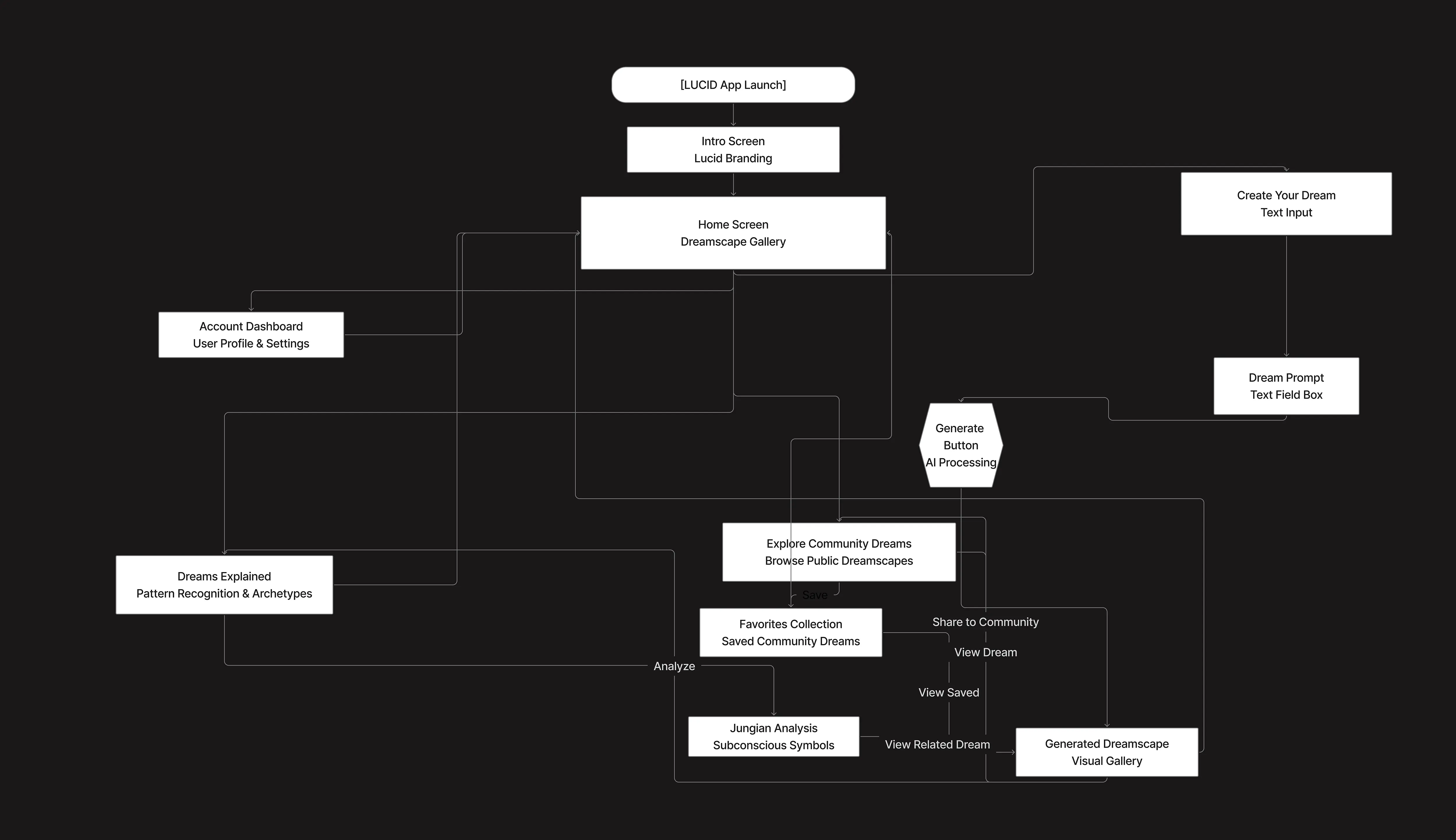
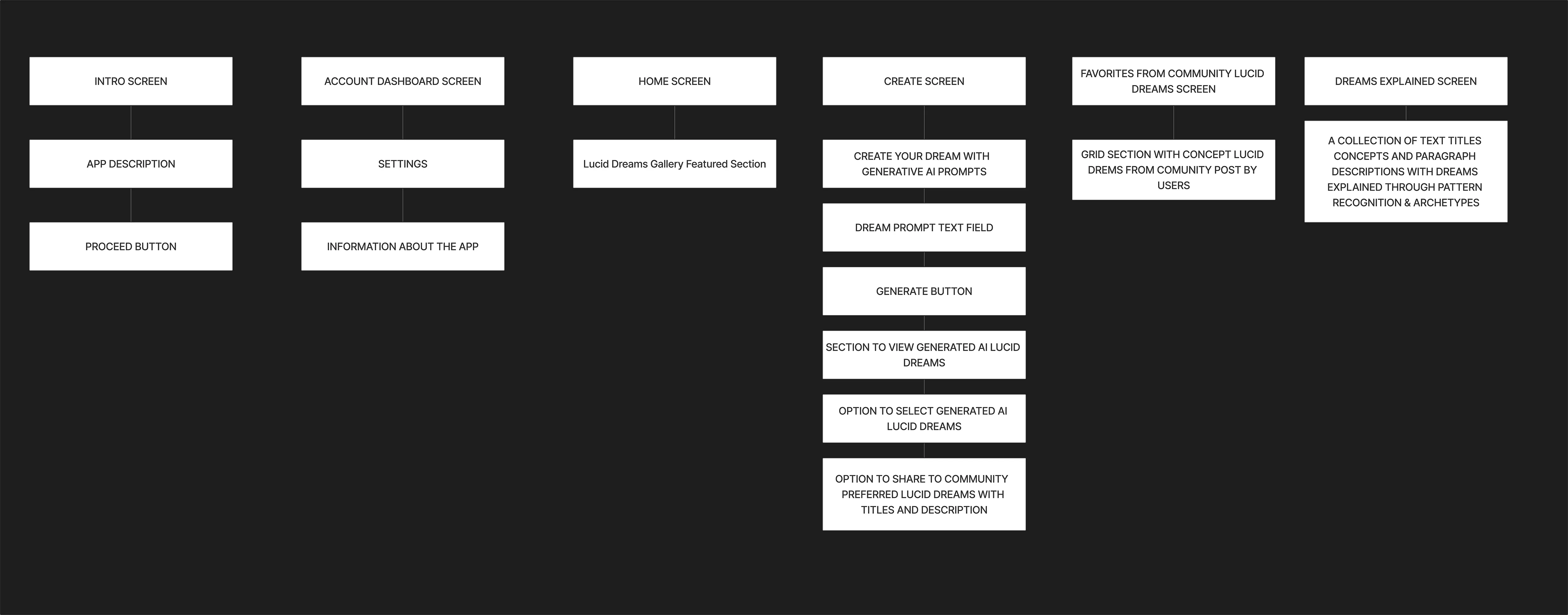
Serving as a crucial visual aid, the user flow diagram precisely maps out the intended logic of user interaction,
meticulously demonstrating the exact sequence of navigation across various pages and states to ensure a clear,
intuitive, and unobstructed path that leads every user seamlessly toward their intended goal or desired outcome.
Serving as a crucial visual aid, the user flow diagram precisely maps out the intended logic of user interaction,
meticulously demonstrating the exact sequence of navigation across various pages and states to ensure a clear,
intuitive, and unobstructed path that leads every user seamlessly toward their intended goal or desired outcome.
The site map did organizes content hierarchically, showing the relationships between pages.It also helped design
intuitive paths for users to find information easily, reducing frustration.
The site map did organizes content hierarchically, showing the relationships between pages.It also helped design
intuitive paths for users to find information easily, reducing frustration.
©2026
©2026
PROBLEM
PROBLEM
Lucid is your ultimate gateway to dream generative AI, transforming fleeting dream concepts, wild ideas, and surreal visions into breathtaking, mesmerizing images. Whether you're capturing the ethereal glow of a midnight forest whisper or the vibrant chaos of a futuristic cityscape born from your subconscious, our intuitive platform makes it effortless to bridge the gap between imagination and reality.
Dive into a vibrant community of dreamers, artists, and creators from around the world. Share your raw concepts, be it
a whispered nightmare, a poetic reverie, or an abstract emotion, and watch as fellow users offer their unique
AI-generated interpretations. Explore endless galleries of user-created masterpieces, vote on favorites, collaborate on
evolving dream series, and draw inspiration from others boundless creativity.
Lucid fosters a space where ideas collide and evolve.
Unleash your creativity like never before. Powered by cutting-edge generative AI models, Lucid offers customizable styles—from hyper-realistic renders and painterly artistry to psychedelic abstractions. Fine-tune every detail with text prompts, composition, then iterate endlessly until your vision is perfect. Export in high-resolution for prints, social shares, or digital portfolios.
Available on Android and iOS, Lucid is free to start with premium features for unlimited generations and advanced
tools. Join thousands of users who have already turned their inner worlds outward, download now and let your dreams
light up the world.
Lucid is your ultimate gateway to dream generative AI, transforming fleeting dream concepts, wild ideas, and surreal visions into breathtaking, mesmerizing images. Whether you're capturing the ethereal glow of a midnight forest whisper or the vibrant chaos of a futuristic cityscape born from your subconscious, our intuitive platform makes it effortless to bridge the gap between imagination and reality.
Dive into a vibrant community of dreamers, artists, and creators from around the world. Share your raw concepts, be it a whispered nightmare, a poetic reverie, or an abstract emotion, and watch as fellow users offer their unique AI-generated interpretations. Explore endless galleries of user-created masterpieces, vote on favorites, collaborate on evolving dream series, and draw inspiration from others boundless creativity.
Lucid fosters a space where ideas collide and evolve.
Unleash your creativity like never before. Powered by cutting-edge generative AI models, Lucid offers customizable styles—from hyper-realistic renders and painterly artistry to psychedelic abstractions. Fine-tune every detail with text prompts, composition, then iterate endlessly until your vision is perfect. Export in high-resolution for prints, social shares, or digital portfolios.
Available on Android and iOS, Lucid App is free to start with premium features for unlimited generations and advanced tools. Join thousands of users who have already turned their inner worlds outward, download now and let your dreams light up the world.
Lucid is your ultimate gateway to dream generative AI, transforming fleeting dream concepts, wild ideas, and surreal visions into breathtaking, mesmerizing images. Whether you're capturing the ethereal glow of a midnight forest whisper or the vibrant chaos of a futuristic cityscape born from your subconscious, our intuitive platform makes it effortless to bridge the gap between imagination and reality.
Dive into a vibrant community of dreamers, artists, and creators from around the world. Share your raw concepts, be it a whispered nightmare, a poetic reverie, or an abstract emotion, and watch as fellow users offer their unique
AI-generated interpretations. Explore endless galleries of user-created masterpieces, vote on favorites, collaborate on
evolving dream series, and draw inspiration from others boundless creativity.
Lucid fosters a space where ideas collide and evolve.
Unleash your creativity like never before. Powered by cutting-edge generative AI models, Lucid offers customizable styles—from hyper-realistic renders and painterly artistry to psychedelic abstractions. Fine-tune every detail with text prompts, composition, then iterate endlessly until your vision is perfect. Export in high-resolution for prints, social shares, or digital portfolios.
Available on Android and iOS, Lucid is free to start with premium features for unlimited generations and advanced
tools. Join thousands of users who have already turned their inner worlds outward, download now and let your dreams
light up the world.
LUCID
2026
Figma
20 days
Personal Project
YEAR
TOOLKIT
TIMEFRAME
TYPE
Users faced fragmented tools and isolated experiences when trying to visualize and share their dreams on different
social platforms.
No Dedicated Dream-to-Image AI Tools on the market place and general generative AI apps like Midjourney or DALL-E
handle broad prompts but lack specialization for dreams.
Users struggled to input vague, symbolic dream elements without clunky workarounds, resulting in inaccurate or
uninspired outputs.
Absence of Dream Explanation Features meaning that existing apps offered zero guidance on dream symbolism or
meanings.
People recording dreams in journals or apps like Dream Journal Ultimate had no integrated analysis, leaving users to
Google fragmented Freudian or Jungian theories.
Lack of a Centralized Community for Sharing: meaning dreamers posted solo on Reddit, Instagram, or TikTok, but
without a unified hub. This led to scattered discussions, low engagement, and missed collaborations.
Insufficient Simple Tools for Dream Visualization: meaning that free tools were either too complex or too basic.
Hobbyists, especially non-artists, couldn't quickly prototype effective representations without steep learning curves.
Disconnected Workflow from Dream Capture to Creation: meaning that journaling apps didn't link to image generation,
forcing multi-app switches. This broke creative flow and discouraged regular use.
Users faced fragmented tools and isolated experiences when trying to visualize and share their dreams on different social platforms.
No Dedicated Dream-to-Image AI Tools on the market place and general generative AI apps like Midjourney or DALL-E handle broad prompts but lack specialization for dreams.
Users struggled to input vague, symbolic dream elements without clunky workarounds, resulting in inaccurate or uninspired outputs.
Absence of Dream Explanation Features meaning that existing apps offered zero guidance on dream symbolism or
meanings.
People recording dreams in journals or apps like Dream Journal Ultimate had no integrated analysis, leaving users to
Google fragmented Freudian or Jungian theories.
Lack of a Centralized Community for Sharing: meaning dreamers posted solo on Reddit, Instagram, or TikTok, but
without a unified hub. This led to scattered discussions, low engagement, and missed collaborations.
Insufficient Simple Tools for Dream Visualization: meaning that free tools were either too complex or too basic.
Hobbyists, especially non-artists, couldn't quickly prototype effective representations without steep learning curves.
Disconnected Workflow from Dream Capture to Creation: meaning that journaling apps didn't link to image generation, forcing multi-app switches. This broke creative flow and discouraged regular use.
Users faced fragmented tools and isolated experiences when trying to visualize and share their dreams on different
social platforms.
No Dedicated Dream-to-Image AI Tools on the market place and general generative AI apps like Midjourney or DALL-E
handle broad prompts but lack specialization for dreams.
Users struggled to input vague, symbolic dream elements without clunky workarounds, resulting in inaccurate or
uninspired outputs.
Absence of Dream Explanation Features meaning that existing apps offered zero guidance on dream symbolism or
meanings.
People recording dreams in journals or apps like Dream Journal Ultimate had no integrated analysis, leaving users to
Google fragmented Freudian or Jungian theories.
Lack of a Centralized Community for Sharing: meaning dreamers posted solo on Reddit, Instagram, or TikTok, but
without a unified hub. This led to scattered discussions, low engagement, and missed collaborations.
Insufficient Simple Tools for Dream Visualization: meaning that free tools were either too complex or too basic.
Hobbyists, especially non-artists, couldn't quickly prototype effective representations without steep learning curves.
Disconnected Workflow from Dream Capture to Creation: meaning that journaling apps didn't link to image generation,
forcing multi-app switches. This broke creative flow and discouraged regular use.
SOLUTION
SOLUTION
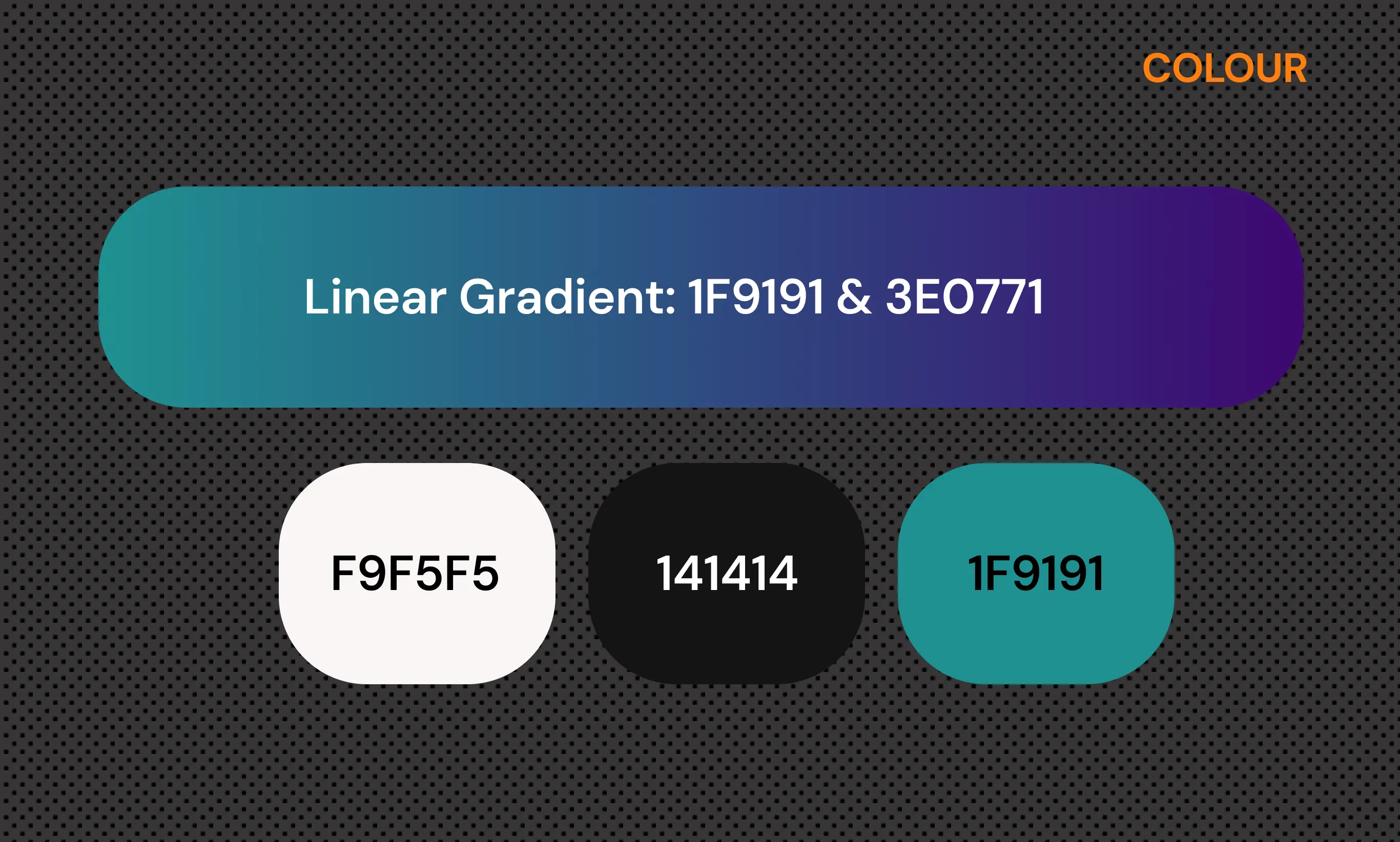
The color for the buttons and accents and selected items, that was chosen for Lucid is Linear Gradient from
1F9191 to 3E0771and it creates a smooth transition between a muted teal-cyan and a deep violet-purple.
1F9191 gives it a cool, medium-intensity tone suitable for digital interfaces, app themes, or subtle highlights.
3E0771 evokes depth and sophistication, commonly applied in creative projects like gradients, shadows, or branding
elements needing contrast.
This linear gradient applies to primary action buttons, providing a subtle shimmer on tap that draws attention without overwhelming the minimalist design.
It enhances interactivity, making calls-to-action feel premium and responsive.
Accents like borders use the gradient sparingly to highlight key UI elements, adding polish and visual hierarchy while
maintaining Lucid's clean, focus-driven aesthetic.
For selected states in menus, the gradient fills or outlines items to indicate active focus, offering clear feedback with
a calming cool-to-warm shift that improves usability in workflows.
The color 1F9191 was used for favorite icons, share icons, and for notification badges. This cool tone ensures favorites stand out gently against darker themes without clashing. The color's readability prevents alert fatigue while blending into the app's modern gradient scheme.
Lucid defaults to a dark theme using 141414 as its primary background color, creating a near-black canvas that's easy on the eyes for extended sessions. This shade dominates the interface, from canvases ensuring content like shapes and lines pops clearly.
Pure black 000000 appears too stark on modern OLED/AMOLED screens, causing a "halo effect" around bright elements like 1F9191 accents or notification badges, which reduces readability. The color 141414 provides subtle depth, minimizes eye strain by avoiding harsh contrasts, and saves battery on high-contrast displays while maintaining a premium, sophisticated feel.
This choice aligns with clean UI trends for dark modes, improving focus during late-night work and pairing seamlessly with the app's teal-to-violet gradients for interactive elements like favorites and shares.
The color for the buttons and accents and selected items, that was chosen for Lucid is Linear Gradient from
1F9191 to 3E0771and it creates a smooth transition between a muted teal-cyan and a deep violet-purple.
1F9191 gives it a cool, medium-intensity tone suitable for digital interfaces, app themes, or subtle highlights.
3E0771 evokes depth and sophistication, commonly applied in creative projects like gradients, shadows, or branding
elements needing contrast.
This linear gradient applies to primary action buttons, providing a subtle shimmer on tap that draws attention without overwhelming the minimalist design.
It enhances interactivity, making calls-to-action feel premium and responsive.
Accents like borders use the gradient sparingly to highlight key UI elements, adding polish and visual hierarchy while
maintaining Lucid's clean, focus-driven aesthetic.
For selected states in menus, the gradient fills or outlines items to indicate active focus, offering clear feedback with
a calming cool-to-warm shift that improves usability in workflows.
The color 1F9191 was used for favorite icons, share icons, and for notification badges. This cool tone ensures favorites stand out gently against darker themes without clashing. The color's readability prevents alert fatigue while blending into the app's modern gradient scheme.
Lucid defaults to a dark theme using 141414 as its primary background color, creating a near-black canvas that's easy on the eyes for extended sessions. This shade dominates the interface, from canvases ensuring content like shapes and lines pops clearly.
Pure black 000000 appears too stark on modern OLED/AMOLED screens, causing a "halo effect" around bright elements like 1F9191 accents or notification badges, which reduces readability. The color 141414 provides subtle depth, minimizes eye strain by avoiding harsh contrasts, and saves battery on high-contrast displays while maintaining a premium, sophisticated feel.
This choice aligns with clean UI trends for dark modes, improving focus during late-night work and pairing seamlessly with the app's teal-to-violet gradients for interactive elements like favorites and shares.
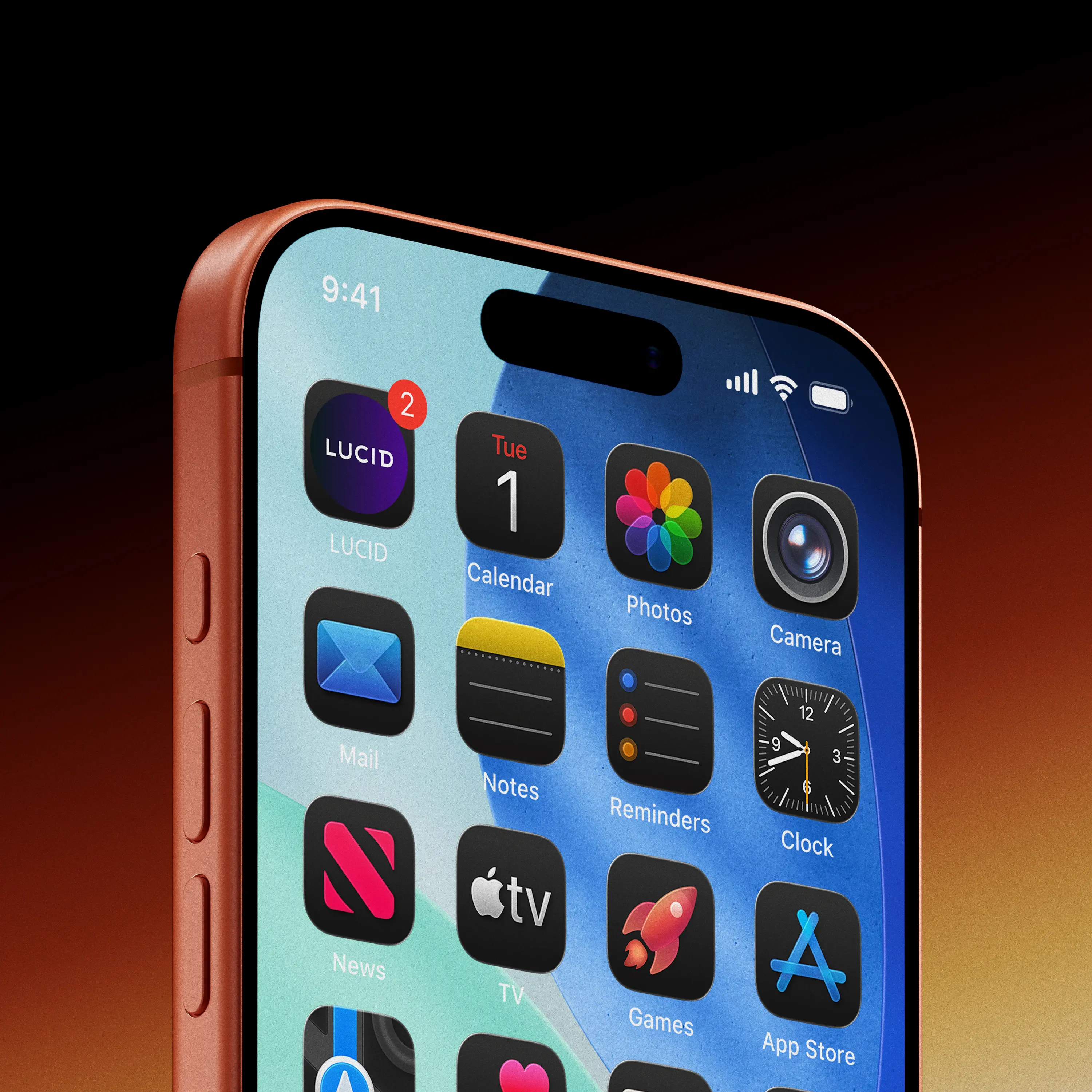
High-fidelity mockups for the Lucid mobile experience were meticulously crafted through an iterative design process, ensuring a seamless, intuitive user journey tailored for modern smartphone interfaces like those on Ios and Android devices.
High-fidelity mockups for the Lucid mobile experience were meticulously crafted through an iterative design process, ensuring a seamless, intuitive user journey tailored for modern smartphone interfaces like those on Ios and Android devices.
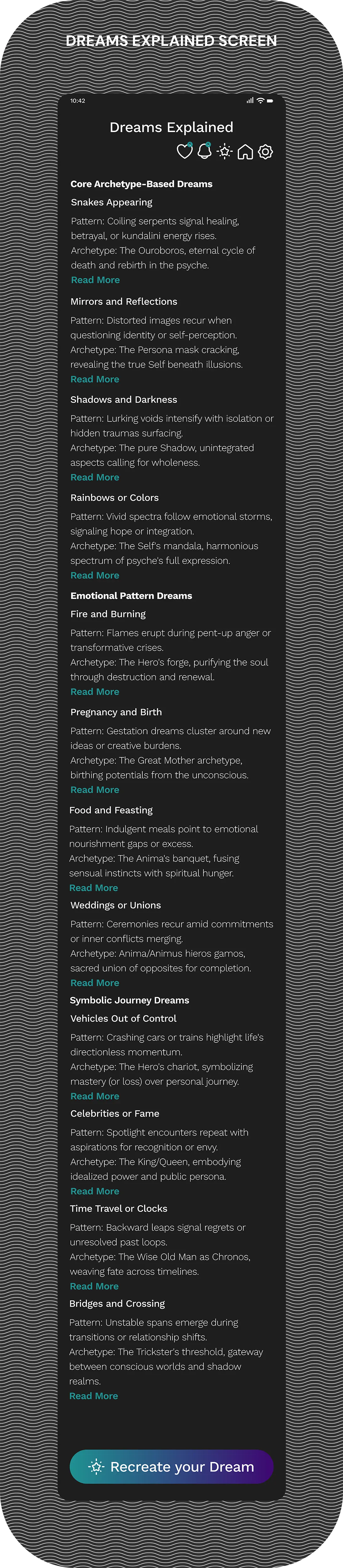
Lucid provides tailored AI trained on dream psychology and surrealism for precise, evocative interpretations.
Lucid embeds AI-driven "dream decoder" sections with personalized explanations, cultural contexts, and
psychological insights.
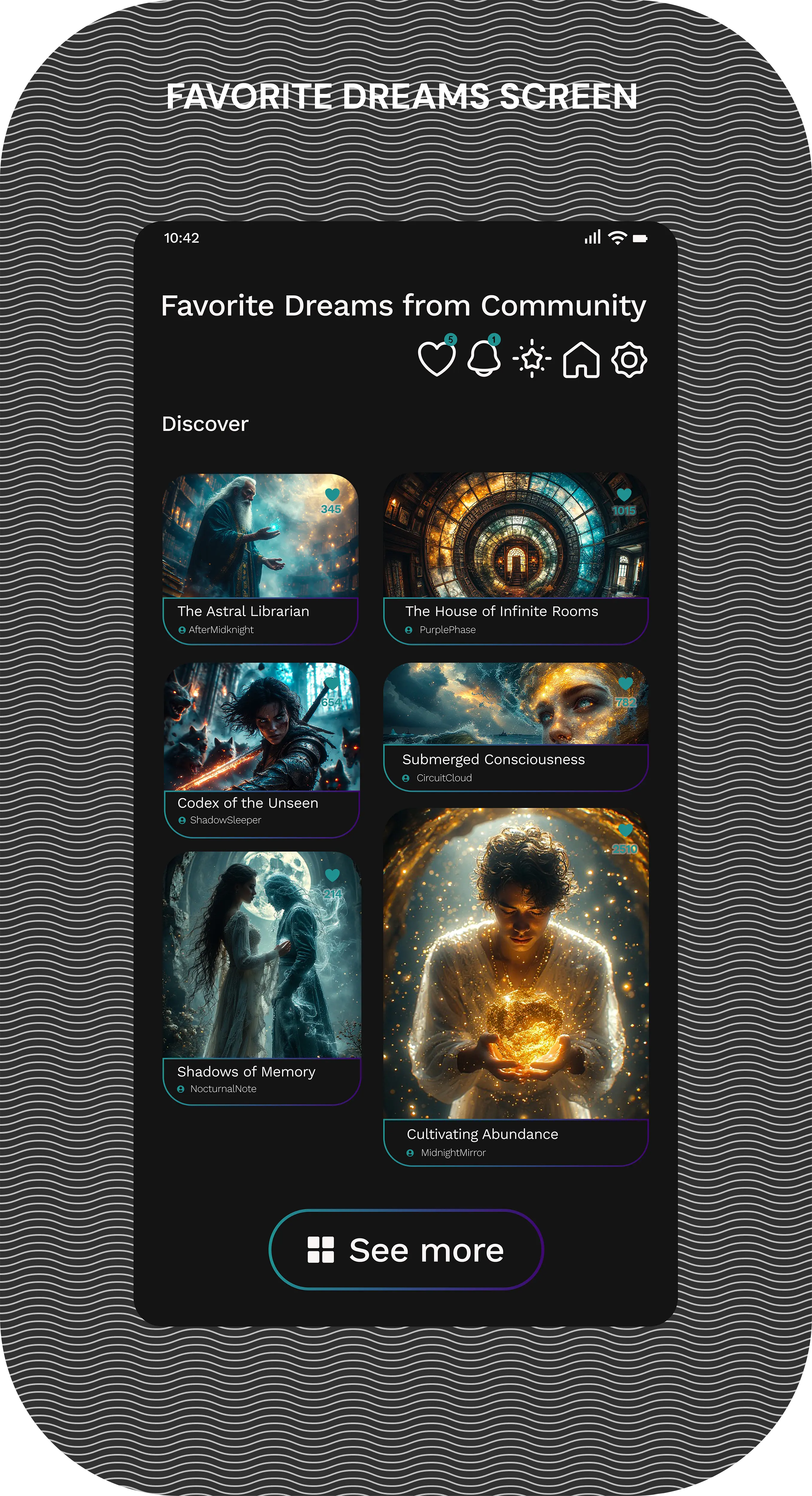
Lucid's vibrant in-app community lets users upload, and vote on dream visuals, fostering real connections
among creators worldwide.
Lucid's prompts, editors, and style presets make high-quality dream art accessible in seconds.
Lucid integrates voice-to-text dream logging, instant AI generation, and sharing in one seamless platform.
No app so far combined AI generation, interpretation, community, and simplicity diving in the dream world.
Lucid bridges them, empowering users to not just record dreams, but relive and evolve them collaboratively.
Lucid provides tailored AI trained on dream psychology and surrealism for precise, evocative interpretations.
Lucid embeds AI-driven "dream decoder" sections with personalized explanations, cultural contexts, and
psychological insights.
Lucid's vibrant in-app community lets users upload, and vote on dream visuals, fostering real connections
among creators worldwide.
Lucid's prompts, editors, and style presets make high-quality dream art accessible in seconds.
Lucid integrates voice-to-text dream logging, instant AI generation, and sharing in one seamless platform.
No app so far combined AI generation, interpretation, community, and simplicity diving in the dream world.
Lucid bridges them, empowering users to not just record dreams, but relive and evolve them collaboratively.
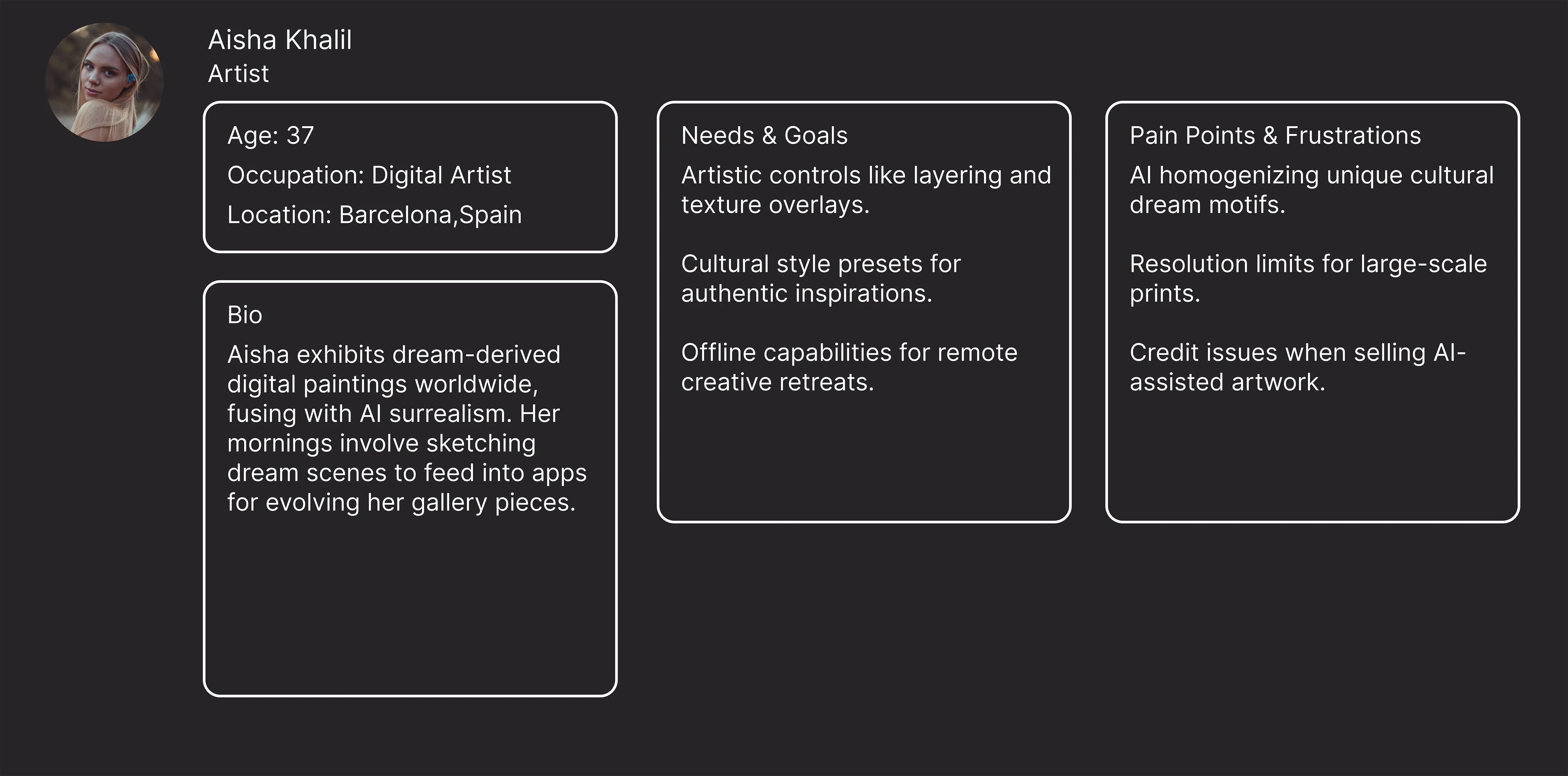
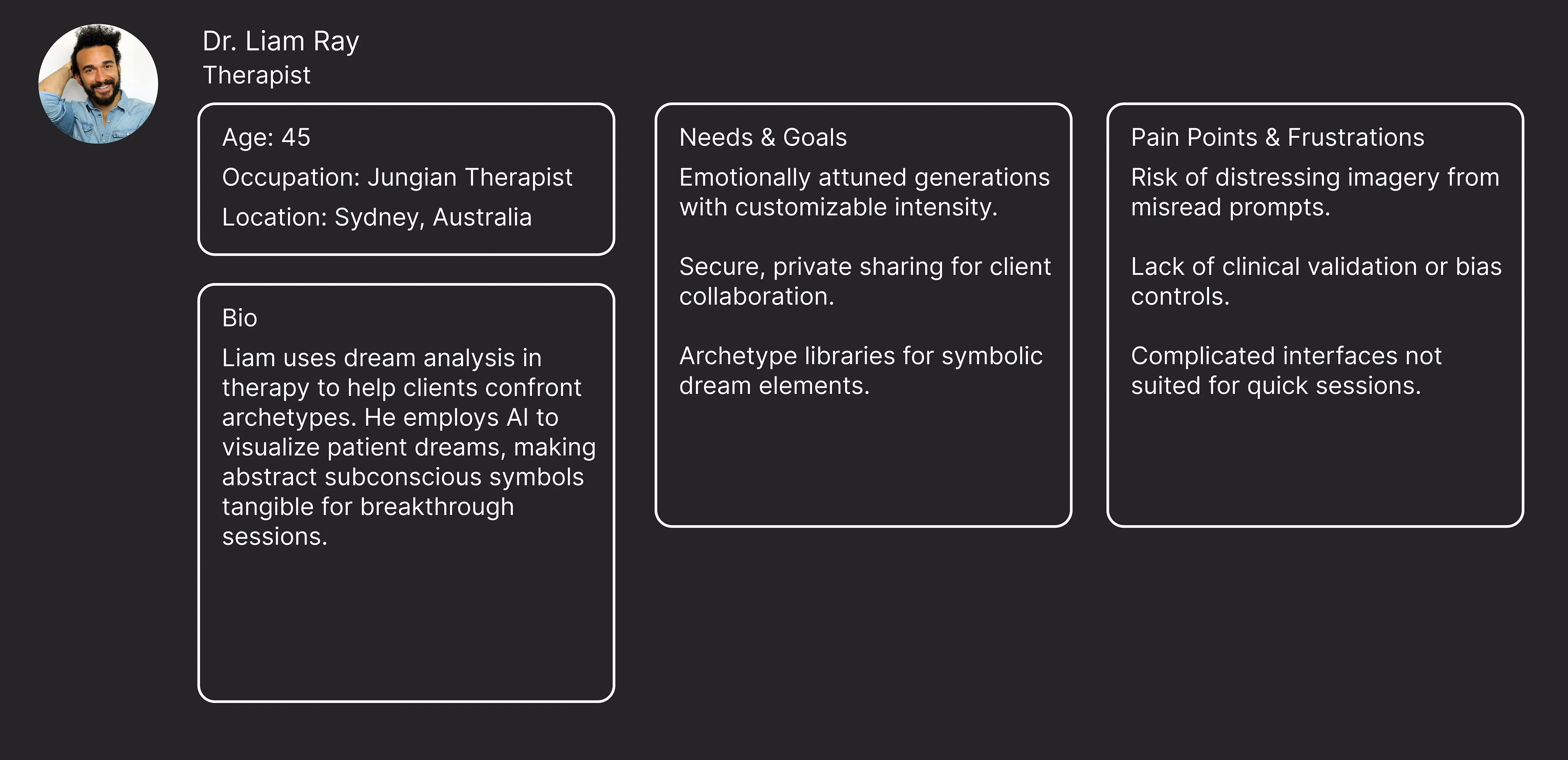
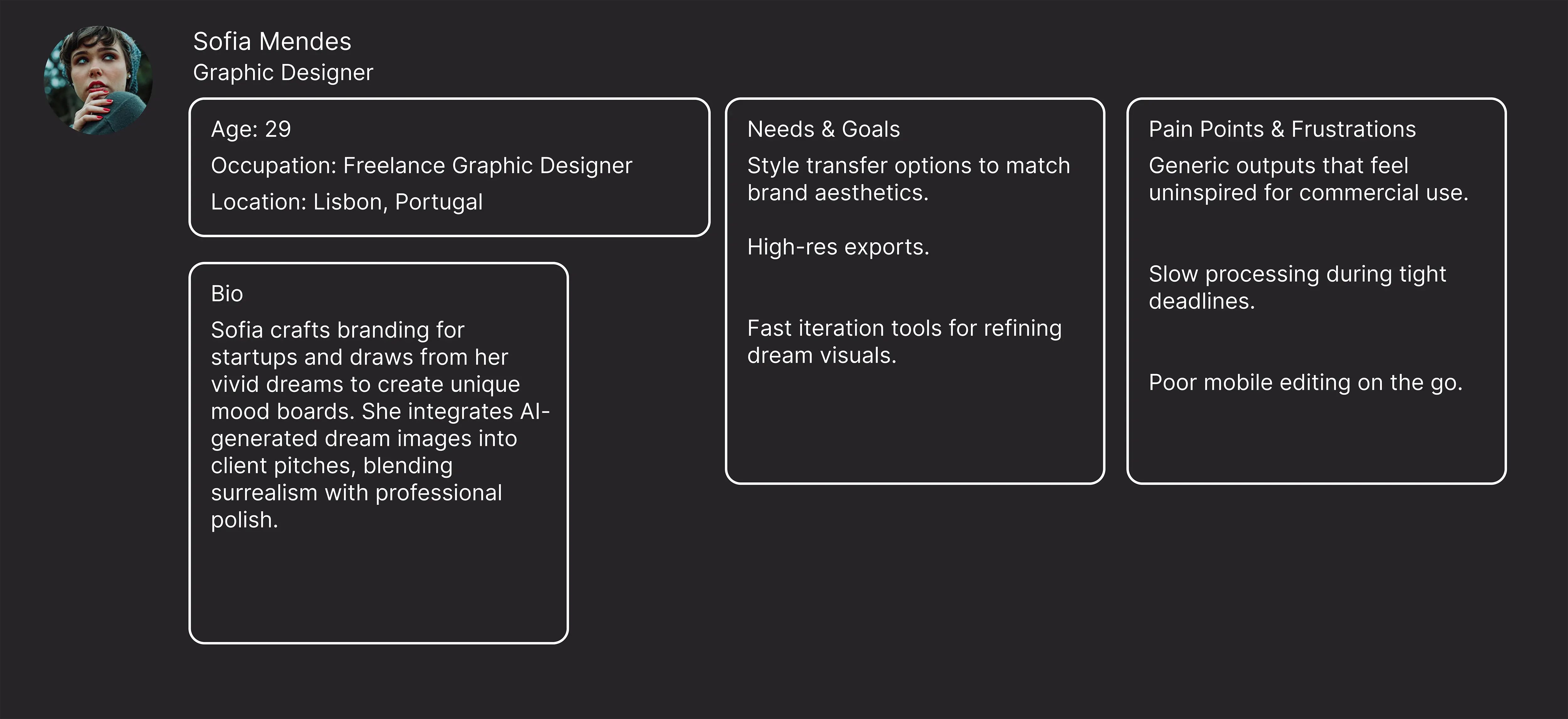
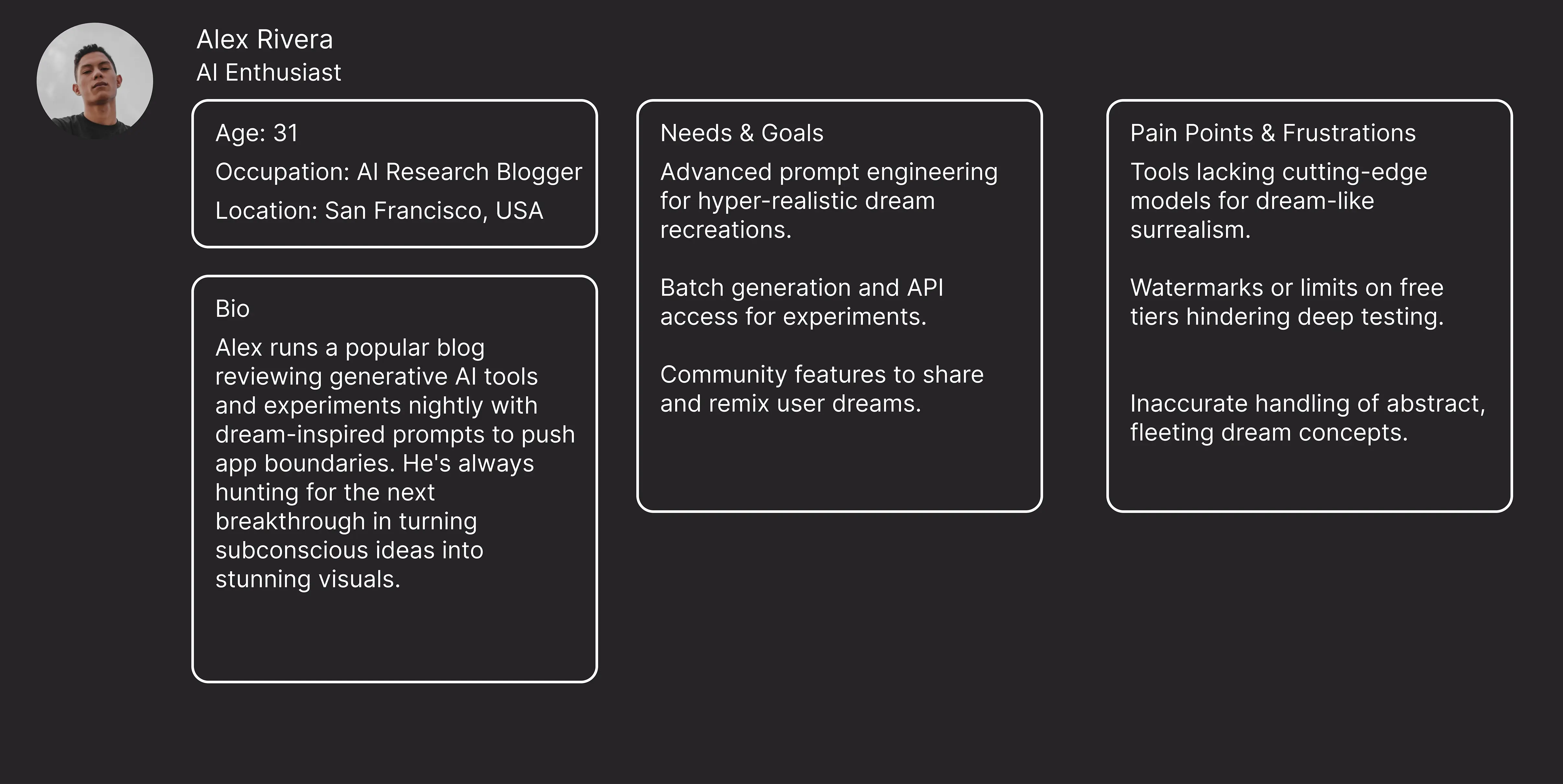
The study of user personas for Lucid refines the psychological solution provided by profiling visitors,artists, ai
enthusiasts, and therapists, to tailor UI/UX interactions for deeper resonance and engagement.
The study of user personas for Lucid refines the psychological solution provided by profiling visitors,artists, ai enthusiasts, and therapists, to tailor UI/UX interactions for deeper resonance and engagement.
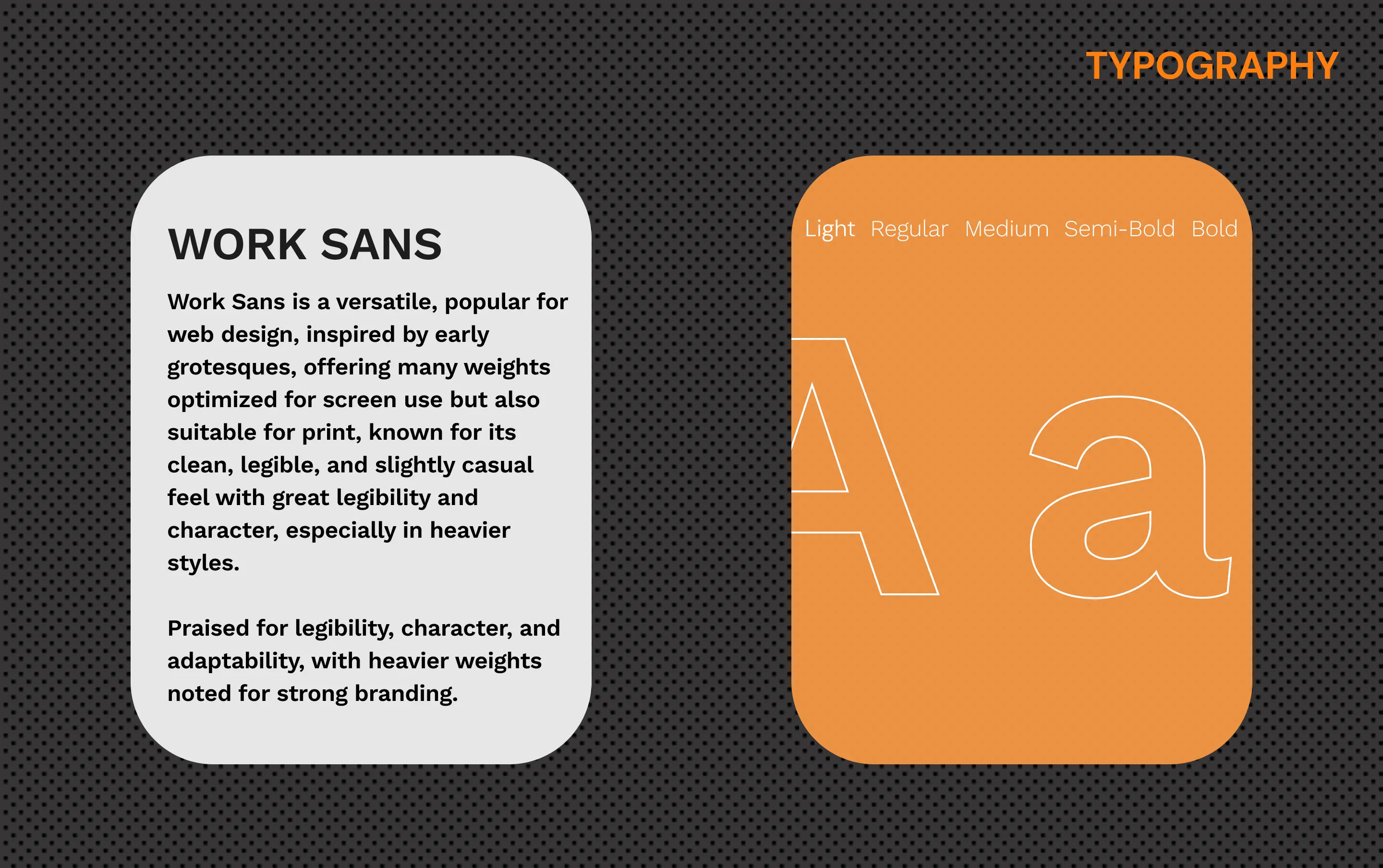
The typography used is Work Sans.
Using Work Sans in the Lucid aligns well with strong UI/UX principles, especially in its dark theme with 141414
backgrounds and accents like 1F9191.
Its uniform stroke widths prevent visual fatigue during long sessions, outperforming heavier fonts in the app's near-black environment.
The font's clean, versatile weights complement Lucid's gradient scheme adding subtle character without distracting from shapes or interactive elements like favorite/share icons.
This creates a professional, approachable hierarchy.
Work Sans improves contrast against 141414 and teal accents, aiding focus for diverse users in workflows, matching
Lucid's emphasis on inclusive, productive interfaces.
The typography used is Work Sans.
Using Work Sans in the Lucid aligns well with strong UI/UX principles, especially in its dark theme with 141414 backgrounds and accents like 1F9191.
Its uniform stroke widths prevent visual fatigue during long sessions, outperforming heavier fonts in the app's near-black environment.
The font's clean, versatile weights complement Lucid's gradient scheme adding subtle character without distracting from shapes or interactive elements like favorite/share icons.
This creates a professional, approachable hierarchy.
Work Sans improves contrast against 141414 and teal accents, aiding focus for diverse users in workflows, matchingLucid's emphasis on inclusive, productive interfaces.
The typography used is Work Sans.
Using Work Sans in the Lucid aligns well with strong UI/UX principles, especially in its dark theme with 141414
backgrounds and accents like 1F9191.
Its uniform stroke widths prevent visual fatigue during long sessions, outperforming heavier fonts in the app's near-black environment.
The font's clean, versatile weights complement Lucid's gradient scheme adding subtle character without distracting from shapes or interactive elements like favorite/share icons.
This creates a professional, approachable hierarchy.
Work Sans improves contrast against 141414 and teal accents, aiding focus for diverse users in workflows, matchingLucid's emphasis on inclusive, productive interfaces.
Lucid sets a new standard in UI/UX design through its flawless responsive performance across tablets and smartphones. The
interface delivers effortless usability with a clean, intuitive layout optimized for a dark theme, minimizing eye strain during extended
sessions.
Users seamlessly create AI-assisted dream visualizations, share them within an amazing community, and gain profound insights via
the interactive "Dreams Explained" screen, transforming abstract concepts into accessible, engaging experiences.
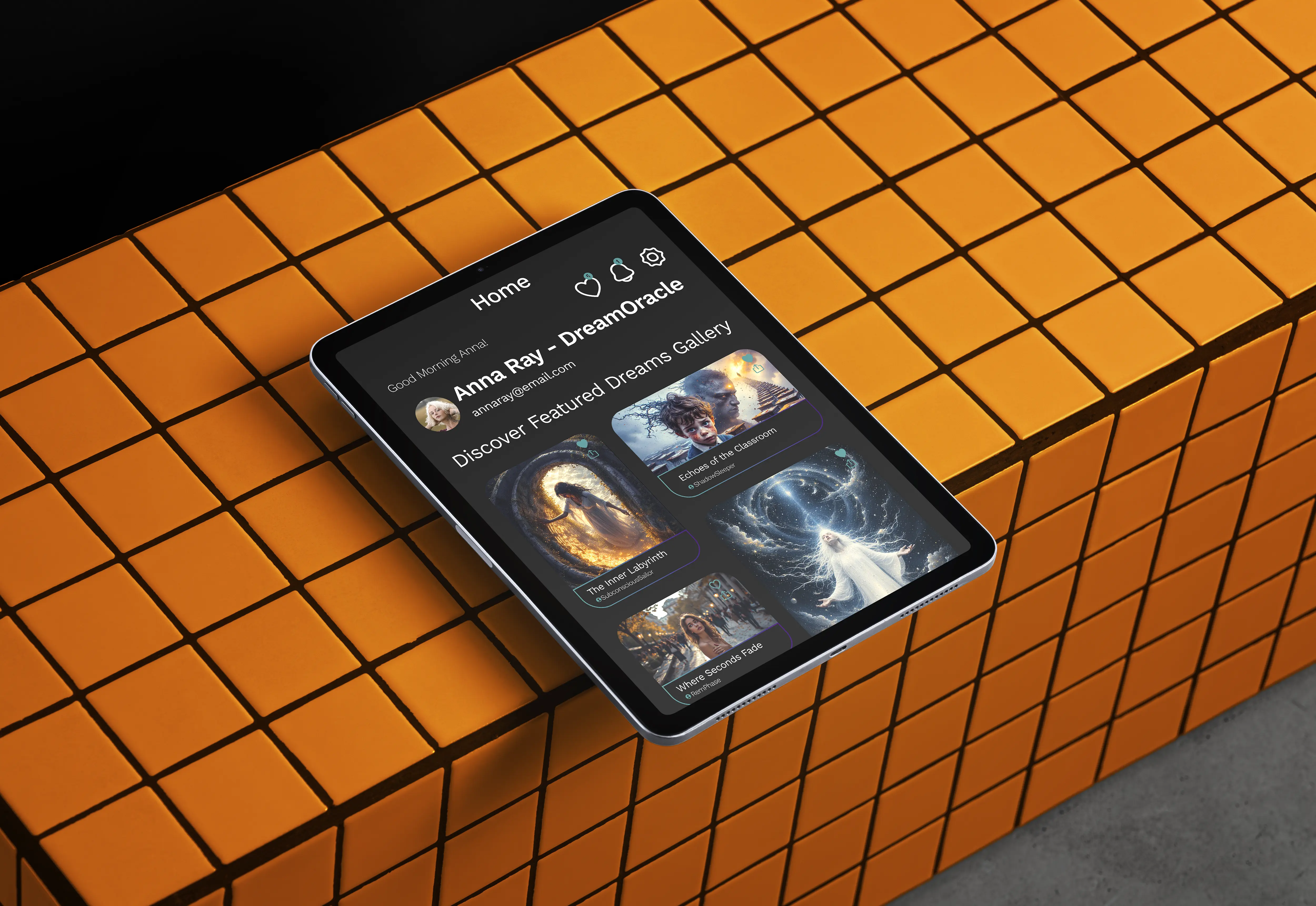
On tablets like iPad and Android equivalents, Lucid achieves seamless portrait/landscape fluidity. Work Sans headlines scale
dynamically to thumb-friendly sizes, while body text adheres to optimal line lengths, reducing cognitive strain during immersive
dream creation and scrolling. Against the 141414 dark theme backdrop, buttons and selected elements feature prominent linear
gradients 1F9191 to 3E0771 ensuring large, easy-to-press targets that elevate the overall user experience.
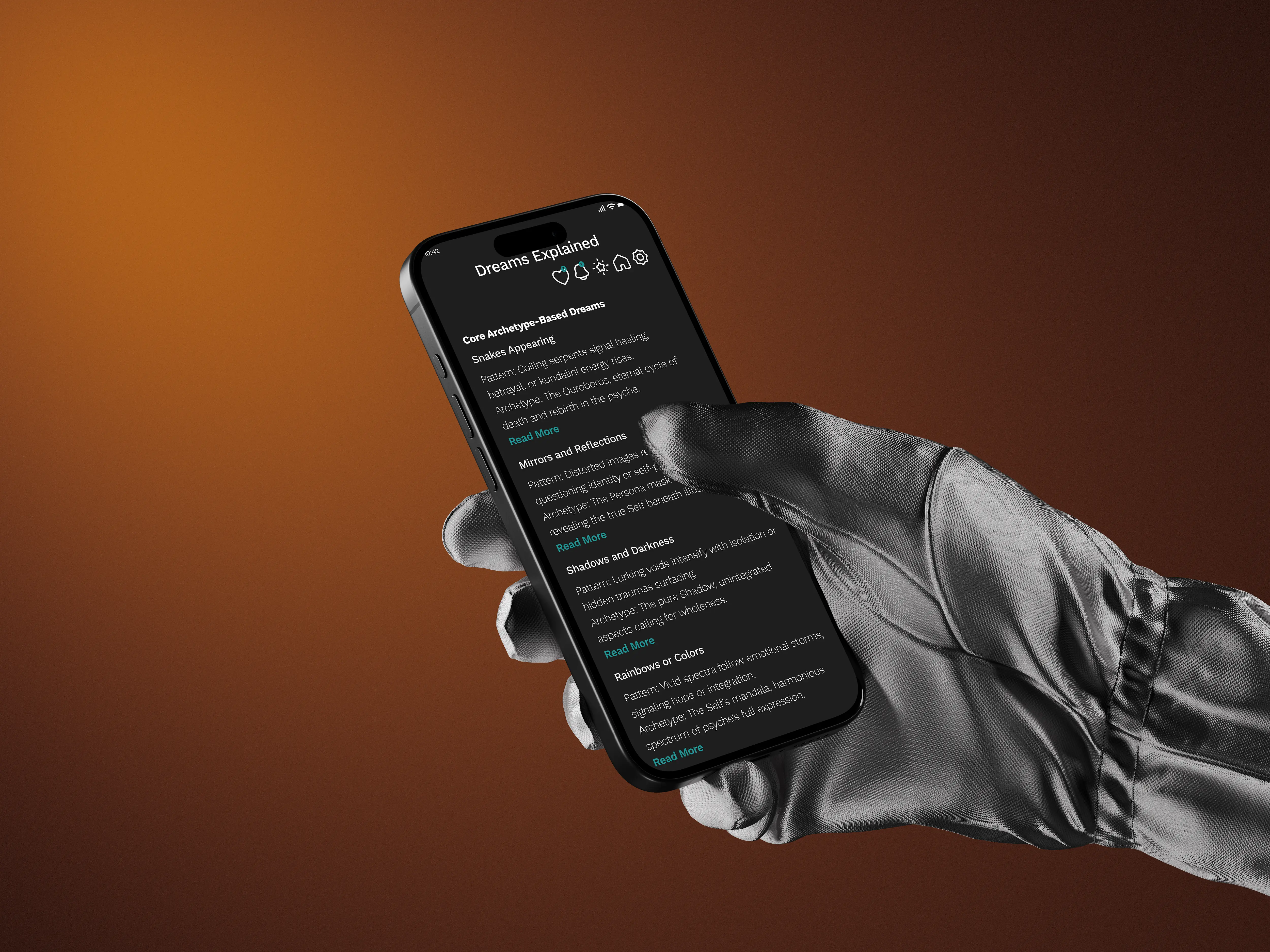
Lucid sets a new standard in UI/UX design through its flawless responsive performance across tablets and smartphones. The interface delivers effortless usability with a clean, intuitive layout optimized for a dark theme, minimizing eye strain during extended sessions.
Users seamlessly create AI-assisted dream visualizations, share them within an amazing community, and gain profound insights via the interactive "Dreams Explained" screen, transforming abstract concepts into accessible, engaging experiences.
On tablets like iPad and Android equivalents, Lucid achieves seamless portrait/landscape fluidity. Work Sans headlines scale dynamically to thumb-friendly sizes, while body text adheres to optimal line lengths, reducing cognitive strain during immersive dream creation and scrolling. Against the 141414 dark theme backdrop, buttons and selected elements feature prominent linear gradients 1F9191 to 3E0771 ensuring large, easy-to-press targets that elevate the overall user experience.
Lucid sets a new standard in UI/UX design through its flawless responsive performance across tablets and smartphones. The interface delivers effortless usability with a clean, intuitive layout optimized for a dark theme, minimizing eye strain during extended sessions.
Users seamlessly create AI-assisted dream visualizations, share them within an amazing community, and gain profound insights via the interactive "Dreams Explained" screen, transforming abstract concepts into accessible, engaging experiences.
On tablets like iPad and Android equivalents, Lucid achieves seamless portrait/landscape fluidity. Work Sans headlines scale dynamically to thumb-friendly sizes, while body text adheres to optimal line lengths, reducing cognitive strain during immersive dream creation and scrolling. Against the 141414 dark theme backdrop, buttons and selected elements feature prominent linear gradients 1F9191 to 3E0771 ensuring large, easy-to-press targets that elevate the overall user experience.
2026
YEAR
Figma
Personal Project
TYPE
TOOLKIT
20 days
TIMEFRAME